What Are the Best Home Security Systems?
Have you ever pondered over how secure your home is from potential threats? In today’s world, ensuring the safety and security of your home and family is more crucial than ever. With numerous home security systems available in the market, understanding which ones truly stand out can be a daunting task. Navigating through features, technologies, and even your own needs can feel overwhelming. But don’t worry—by broadening your knowledge on this topic, you can make an informed decision. Let’s break down the essentials of home security and guide you toward finding the best system for your situation.
Understanding Home Security Systems
Before you can identify the best home security system for your needs, it’s essential to understand what these systems typically comprise. Home security systems are designed to detect intrusion or unauthorized access to a property, serving to protect both people and possessions.
Key Components of a Home Security System
Home security systems, while diverse in their offerings, usually have several common components. Understanding these can arm you with the knowledge to choose a system that’s right for you.
- Control Panel: This is the central hub. It regulates the entire security setup, often with a touchpad or digital screen for easy access.
- Sensors: Aim to detect movement or the opening of doors and windows. Motion sensors can be placed inside and outside, while door/window sensors alert you whenever these entry points are opened.
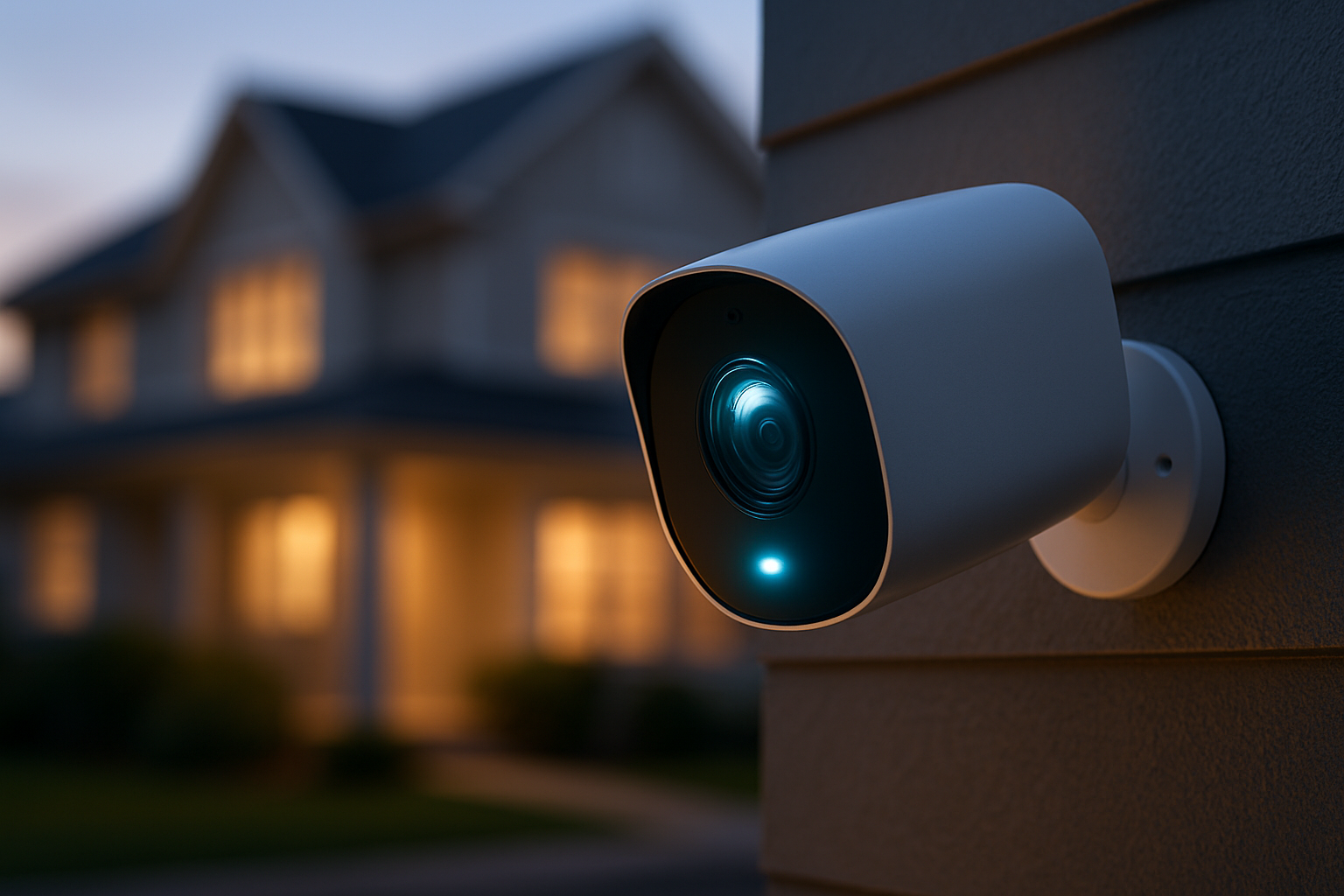
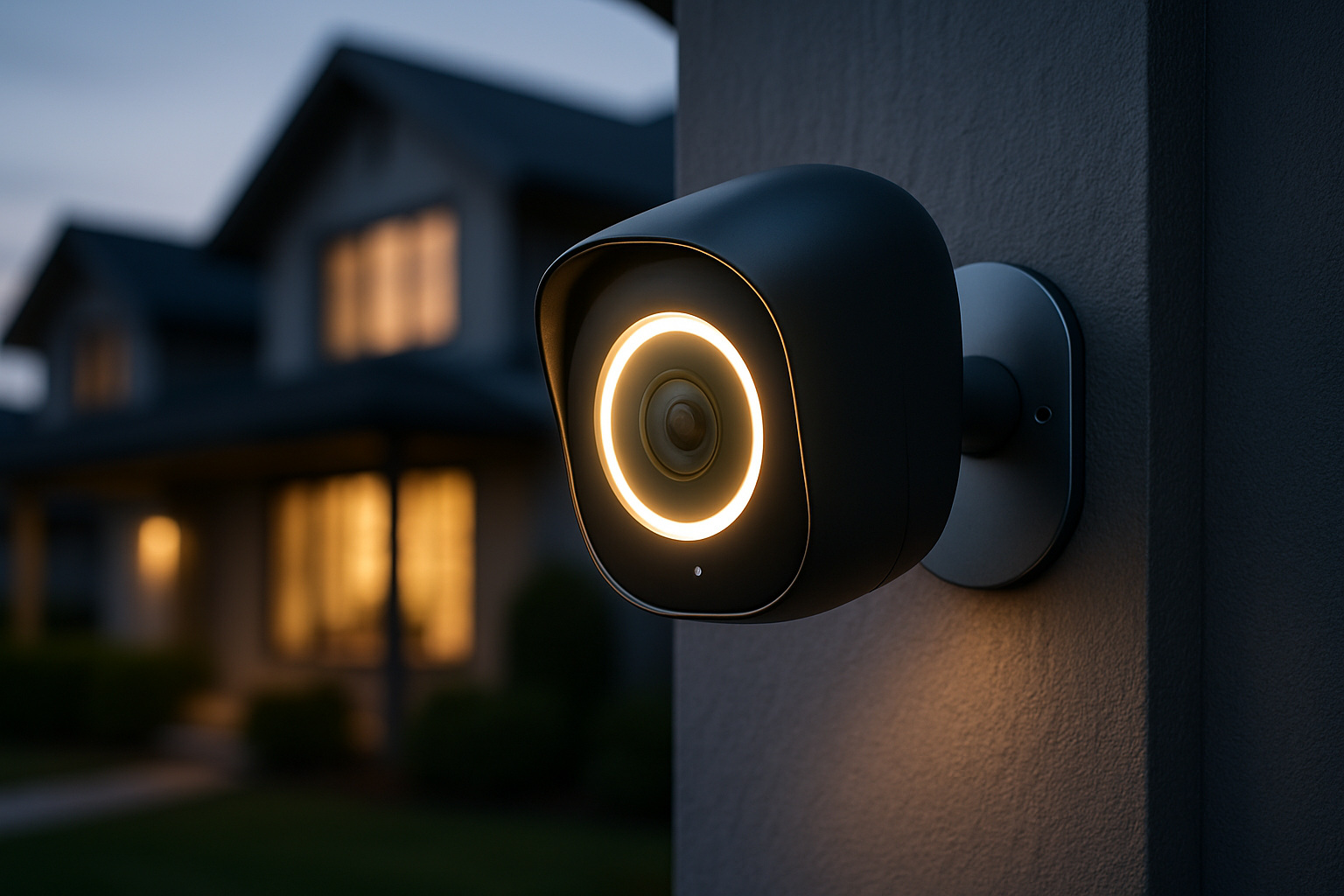
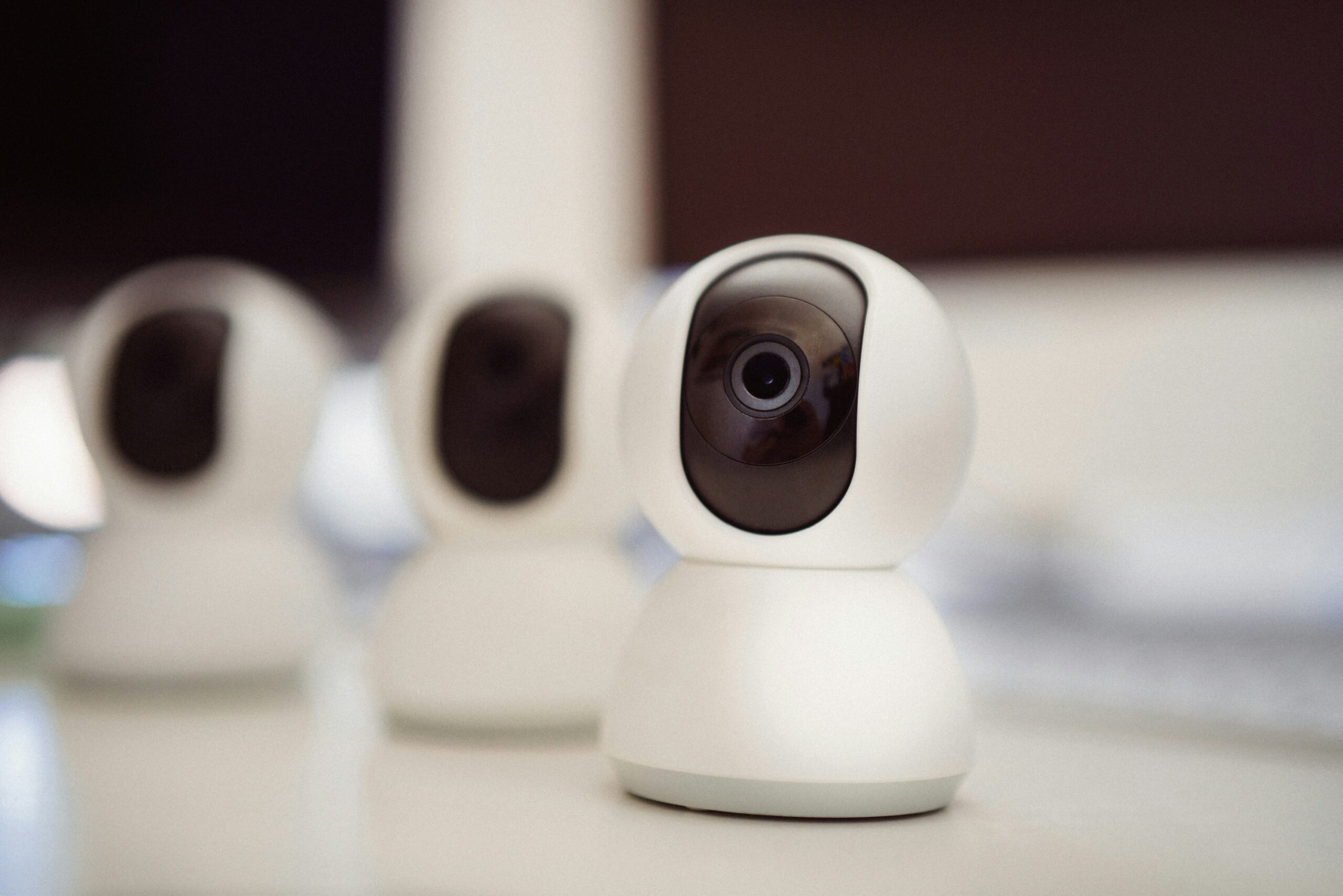
- Cameras: Offer real-time surveillance of your property. They can be placed strategically around your home, capturing and sometimes storing video footage.
- Alarms and Sirens: Act as deterrents when triggered. The loud, piercing sirens can scare off intruders and alert you or neighbors to the possible break-in.
- Monitors: For advanced systems, these can include monitors for smoke, fire, carbon monoxide, and water leaks, enhancing your home’s safety measures.
The Evolution of Home Security Systems
As technology advances, so do home security systems, which have evolved from basic alarms to smart home integrated systems. Initially, systems were wired and could only alert homeowners of a break-in post-entry. Today, many systems offer proactive alerts and can be anticipated threats, providing a comprehensive security strategy when equipped with advanced features and connectivity options.
Determining Your Security Needs
Before diving into product recommendations, take a moment to consider your specific security needs. Every household is unique, and what works for one person might not work for another.
Assessing Your Home’s Vulnerability
Start by analyzing your property—entry points, less-visible portions, and any particular concerns you may have. Consider the neighborhood crime rates and personal experiences that might elevate your concern for security.
Setting Your Security Goals
Are you more concerned about a break-in, or are environmental hazards of greater worry to you? If you have children or pets, internal surveillance might be necessary. Establishing what you aim to achieve with a security system can help you select the features that will best suit your needs.
Types of Home Security Systems
To make a well-informed decision, you need to understand the various types of home security systems available. Different systems come with distinct features, and some might offer more advantages based on your living situation and security priorities.
Monitored vs. Unmonitored Systems
The key difference here lies in surveillance and response.
- Monitored Systems: These offer the highest level of security. The system connects to a monitoring center that oversees every alert triggered, ready to contact authorities when necessary.
- Unmonitored Systems: Usually contain alarm-triggering mechanisms but require you to take action if an alert goes off. These tend to be more budget-friendly, but place the responsibility of responding to alerts on you.
Wired vs. Wireless Systems
Technology influences the type of setup that might be right for you.
- Wired Systems: These integrate directly into your home’s wiring. They are often reliable, as they aren’t dependent on wireless signals but can be labor-intensive and costly to install.
- Wireless Systems: A more flexible option that is easier to install yourself. Wireless systems use radio signals and are highly adaptable but may face interference issues depending on your local signal environment.
DIY vs. Professional Installation
The complexity of installation often varies based on the system chosen.
- DIY Systems: Often wireless, these contain easy-to-install setups with clear instructions and no need for professional assistance.
- Professional Installation: These are typically required for more complex, wired, or large-scale systems and come with the added assurance that everything is properly set up.
Key Features To Look For in a Good Home Security System
When evaluating possible home security systems, focus on features that align with your security needs and simplify day-to-day oversight of your property.
Remote Monitoring and Control
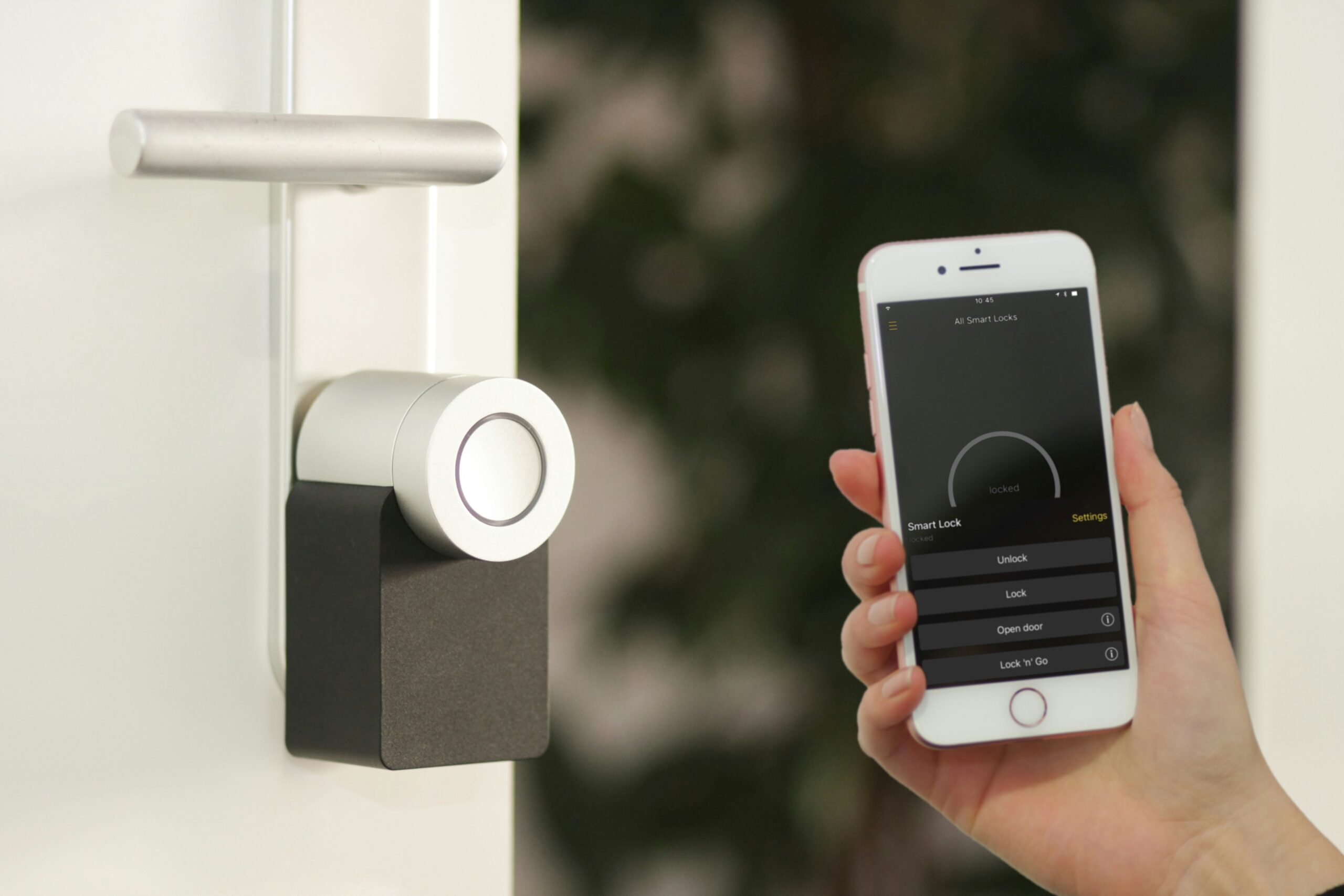
Many modern security systems enable you to control and monitor your home security through a smartphone app. This can include live streaming from cameras, receiving security alerts, and remotely arming or disarming the system, offering you peace of mind no matter where you are.
Integrations with Smart Home Devices
Seek out systems that integrate smoothly with other devices in your smart home ecosystem, such as smart locks, smart lights, and voice-activated assistants like Google Assistant or Amazon Alexa. This connectivity makes it easier to manage home security in conjunction with other smart home appliances.
High-Quality Video Surveillance
Video quality is significant for capturing identifiable footage. Look for systems offering HD resolution cameras and potentially even night vision technology to ensure that you have clear visual records if needed.
Environmental Sensors
Some security systems go beyond burglary protection and include detectors for smoke, carbon monoxide, and water leaks, offering a more comprehensive safety net against various threats.
Battery and Backup Systems
Many systems come with backup battery systems to keep your security measures functioning during power outages, ensuring constant protection.
Evaluating Leading Home Security Systems
Now, let’s explore several leading home security systems. We’ll examine some brands and highlight their unique offerings to assist you in pinpointing the ideal system.
| System | Type | Monitoring Option | Key Features | Cost |
|---|---|---|---|---|
| ADT | Monitored, Wired/Wireless | Professional | Professional installation, integrations, environmental sensors | $$$ |
| SimpliSafe | DIY, Wireless | Both | Easy DIY setup, professional monitoring optional, outdoor/indoor cameras | $$ |
| Ring Alarm | DIY, Wireless | Both | Highly customizable, integrates with Ring products, neighborhood alerts | $$ |
| Nest Secure | DIY, Wireless | Professional | Google Assistant integration, Nest camera compatibility, sleek design | $$$ |
| Frontpoint | DIY, Wireless | Professional | Custom alerts, geo-location services, 24/7 monitoring | $$$ |
| Abode | DIY, Wireless | Both | Modular design, smart home compatibility, on-demand monitoring | $$ |
ADT Home Security
One of the longest-standing in the industry, ADT is known for its robust, reliable services. They offer comprehensive protection with professional installation and monitoring. Although ADT often sits at a higher price point, it offers customization and integration with third-party smart home equipment.
SimpliSafe
Perfect for those preferring flexibility, SimpliSafe provides a mix of self and professional monitoring options without a contract. These systems are designed for straightforward DIY installation and offer extensive range in protection with optional additional cameras and environmental sensors.
Ring Alarm
Part of the Amazon eco-brand, Ring Alarm offers notable flexibility and affordability. The system is perfectly suited for smaller households and integrates seamlessly with other Ring devices like doorbells and cameras, acting as a deterrent with community-based alerts and collaborations.
Nest Secure
Integrated with other Google-based products, Nest Secure offers a well-designed, slightly higher price-tag system. It is modern and integrates with several Nest camera products, offering seamless assistance for tech-savvy users who already prefer Google’s smart home environment.
Frontpoint
Emphasizing convenience, Frontpoint offers adaptable DIY shopping with professional monitoring, providing users with a wide-ranging, smartphone-controlled platform. Customize your alerts or incorporate geo-location services to enhance your personalized security experience.
Abode
This company is recognized for offering modular, flexible security systems, which cater especially to renters looking for easily removable systems. Abode systems are user-friendly and can easily accommodate temporary or long-term changes.
Making the Final Decision
By now, you should have a clearer view of the essential components, key types, and leading options within the home security system market. However, selecting the right system goes beyond just understanding components or options.
Aligning with Your Budget
Pinpoint a system you can afford, considering not only the upfront cost but also ongoing fees for monitoring and potential equipment upgrades. Calculate the long-term costs, factoring in contractual requirements that may lead to increased charges.
Customization and Scalability
Visualize your current and future needs. Choose systems that can adjust and grow with your needs, allowing for easy additions of cameras or sensors.
Maximizing Your Home Security System
Finally, after choosing your system, consider a few final steps to optimize your home’s security.
Regular Maintenance
Test your system’s responsiveness regularly, including backup battery checks. Scheduled inspections can catch early signs of technical issues and ensure your system remains operational.
Routine Updates
Ensure your software and apps are current to avoid vulnerabilities that come from outdated technology.
Incorporating Security Protocols
Train family members on system usage and coordinate plans in case of real emergencies. Knowledge and practice can considerably enhance the effectiveness of your security system.
Conclusion
Choosing the best home security system doesn’t have to be an overwhelming experience. With the right understanding of types, features, and the specific systems in the market, you can make a meaningful choice tailored to your safety needs. By reflecting on your individual circumstances, evaluating core system types, and considering key features, you will establish a solid foundation for your home security, providing unmatched peace of mind for you and your family. Stay proactive, assess regularly, and enjoy the peace that comes with enhanced protection.