Have you ever wondered how secure your home is? It’s a question that can keep you up at night, especially when you consider the priceless value of your loved ones and belongings. Home security is a multifaceted topic, nuanced and essential for ensuring peace of mind. Whether you’re living in a bustling city apartment or a cozy house in the suburbs, taking steps to safeguard your abode is an important task.
Understanding the Importance of Home Security
When you think about security, it’s not just about safeguarding material possessions; it’s about protecting the sanctuary where you and your family live, play, and grow. Home security is crucial for deterring potential intruders and providing a safe environment. Let’s explore why focusing on home security is an imperative part of modern life.
Safety for You and Your Family
Ensuring the safety of your loved ones is likely your number one priority. A secure home protects your family from unwanted intrusions and provides a haven of comfort and peace. Knowing you have measures in place to keep everyone safe can relieve stress and allow for a more harmonious home life.
Protection of Valuables
Your home houses not only people but also your most treasured possessions, everything from electronics to sentimental items. A robust home security system minimizes the risk of theft or damage, allowing you to protect what’s important to you.
Peace of Mind
When your home is secure, you enjoy a sense of peace that comes with knowing your world is a bit safer. Whether you’re at home or away, having security measures in place means you can breathe easier, knowing you’ve made an effort to protect your home.
Assessing Your Current Home Security
Before diving into new strategies, it’s important to assess where you currently stand. Consider conducting a home security audit to understand the existing strengths and weaknesses.
Identifying Vulnerabilities
Walk around your property and take note of potential vulnerabilities. Are there areas that would be easy for an intruder to access? Look for weak points, such as broken windows, doors with insufficient locks, or easily climbable fences.
Evaluate Existing Measures
Take stock of your current security measures. Do you have surveillance cameras, motion detectors, or an alarm system? Are these tools functioning properly, and do they provide adequate coverage? Understanding your current setup is crucial when planning improvements.
Securing Entry Points
Entry points like doors and windows are the most common ways burglars can access a home. Securing these areas is a crucial step in enhancing your home’s security.
Reinforcing Doors
Your doors are your first line of defense, and they need to be sturdy and secure. Consider installing solid core doors made of wood or metal. Review your locks – deadbolts are an effective choice for providing additional security compared to standard locks. For further enhancement, you might consider adding a strike plate or a door reinforcement kit.
Securing Windows
Windows can be vulnerable points if not properly secured. You can reinforce them by using window locks or security film. Security screens and grilles can add an additional layer of protection, making it more challenging for potential intruders to gain access.
Garage Security
Often overlooked, garage doors provide another entry point to your home. Make sure you have a sturdy lock and a rolling code garage door opener to prevent unauthorized access. Keep your garage remote in a secure place rather than in your car to reduce the risk of theft.
Smart Home Security Solutions
With the rise of smart technology, securing your home has never been more efficient. Smart security solutions provide convenience and enhanced protection, allowing you to monitor and manage your home even from afar.
Surveillance Cameras
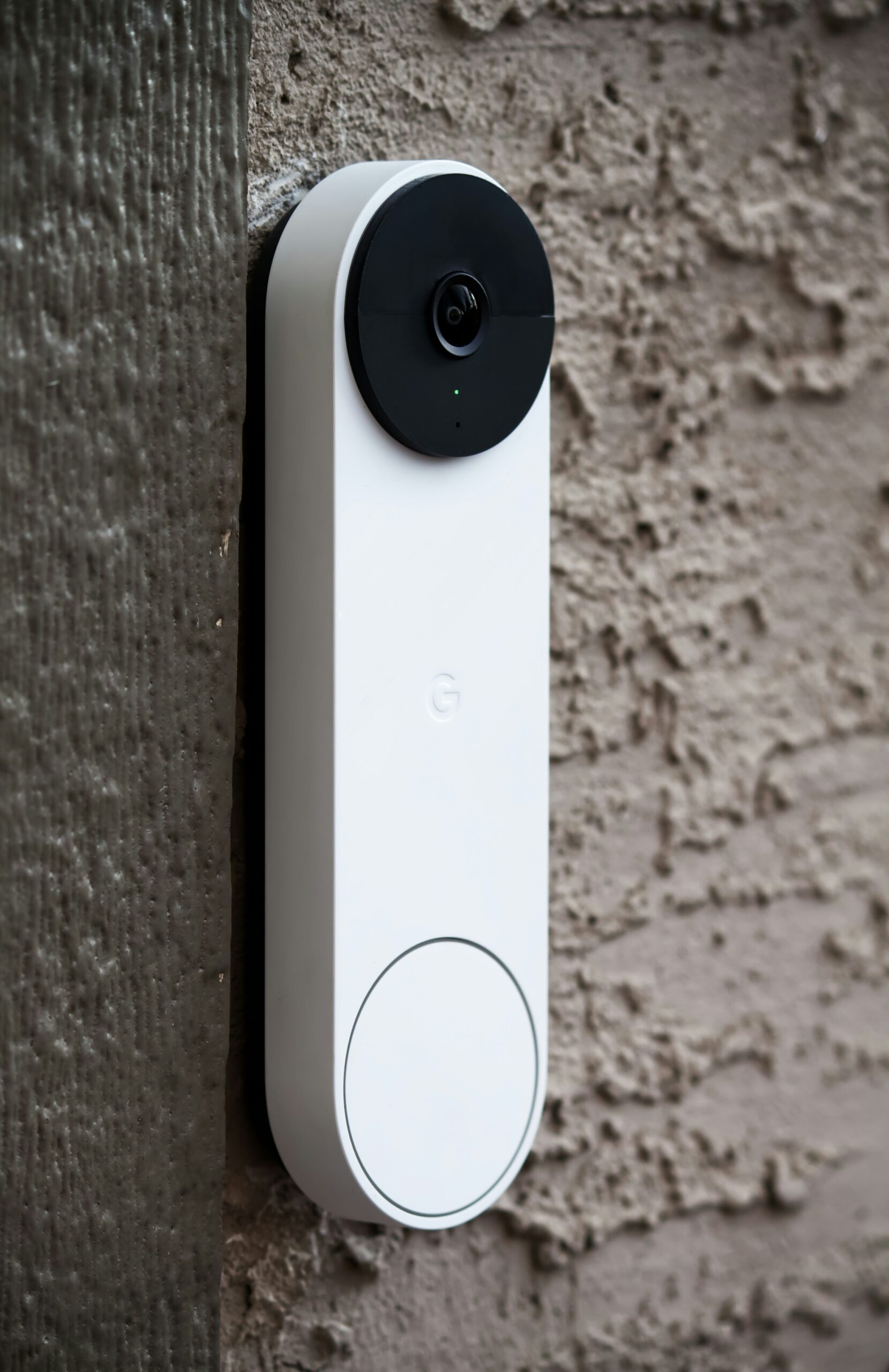
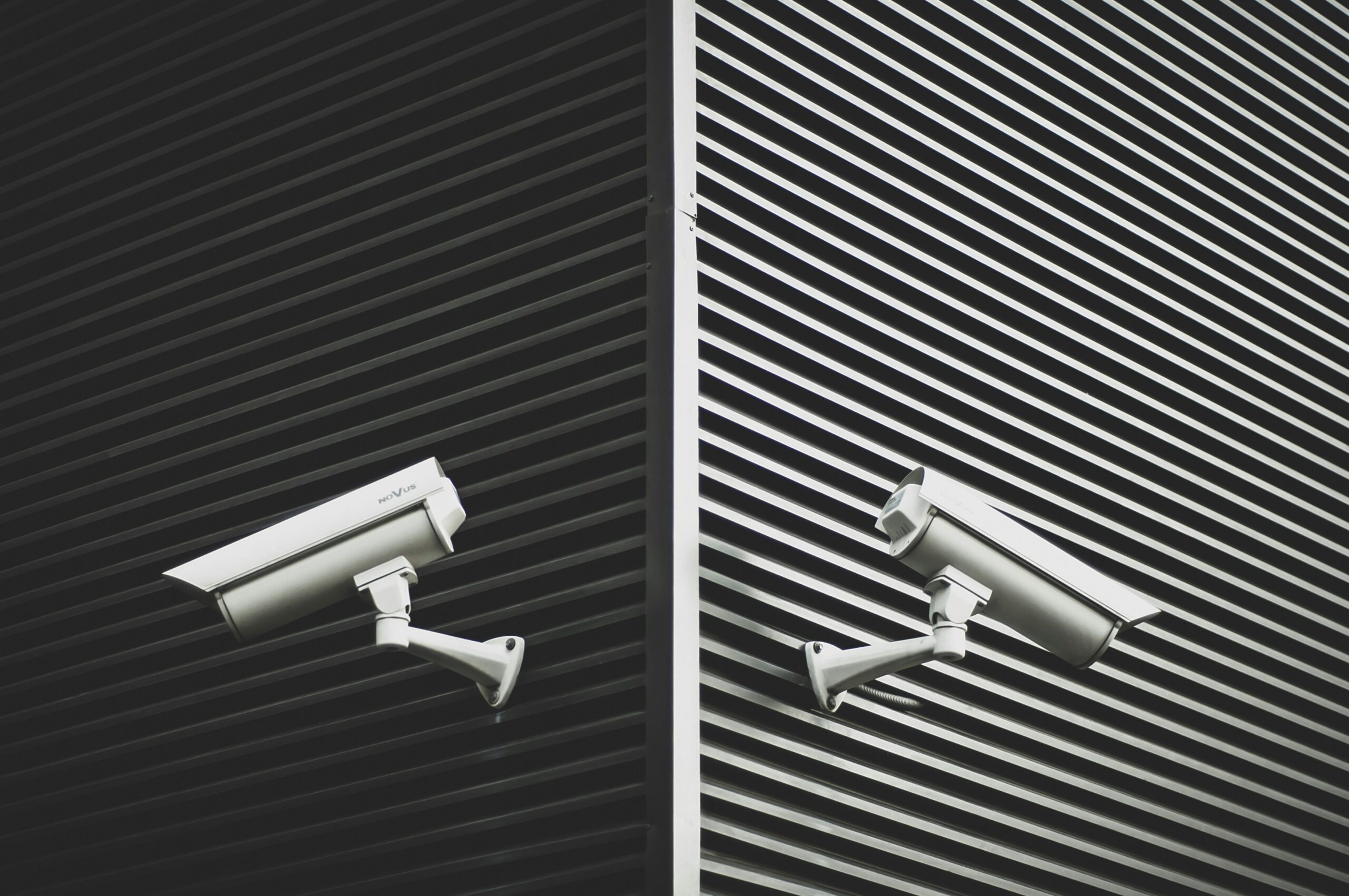
Smart cameras offer real-time monitoring of your property. Look for cameras with features like motion detection, night vision, and high-definition recording. You can receive alerts directly to your phone, providing you with immediate information about any unusual activity.
Smart Locks
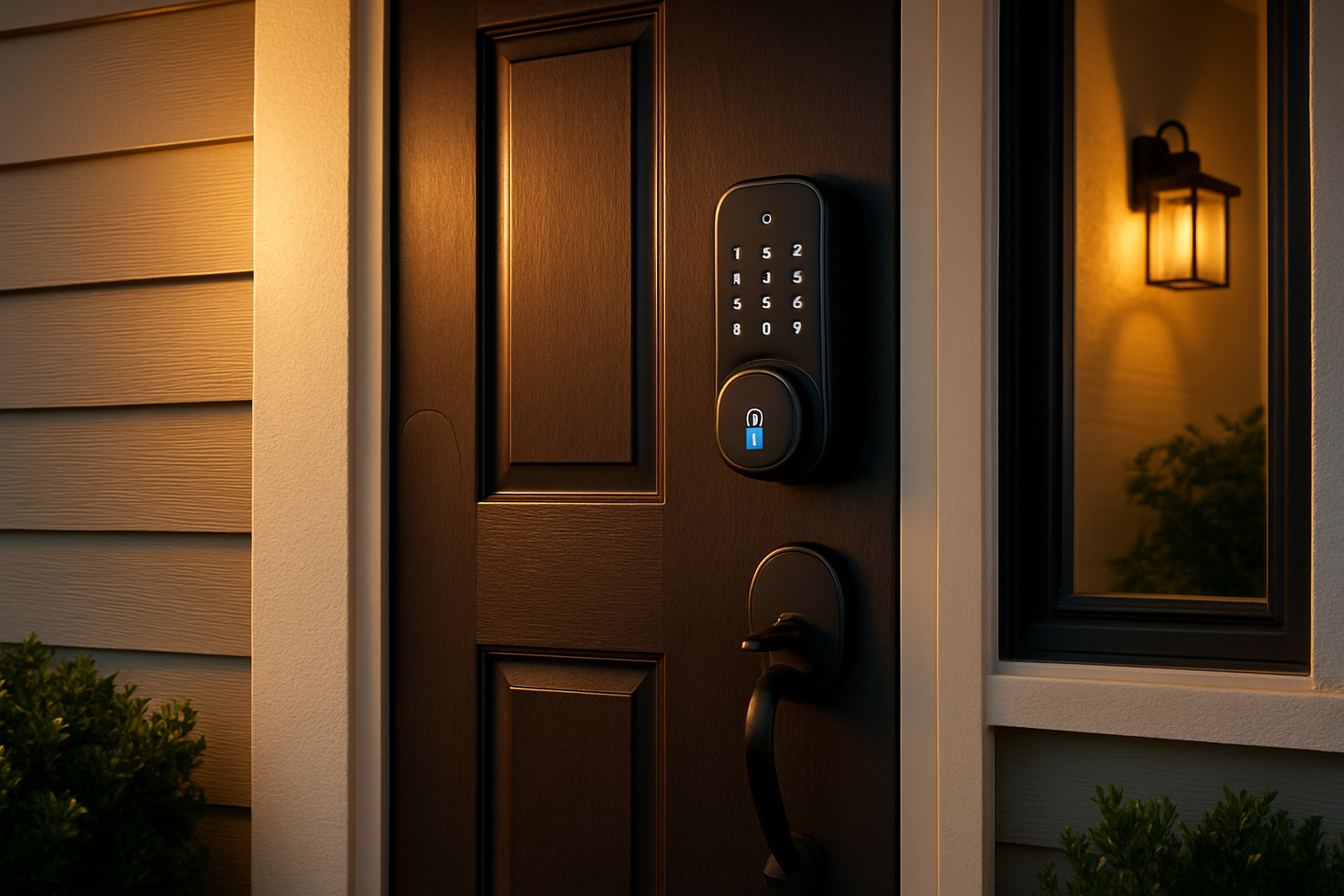
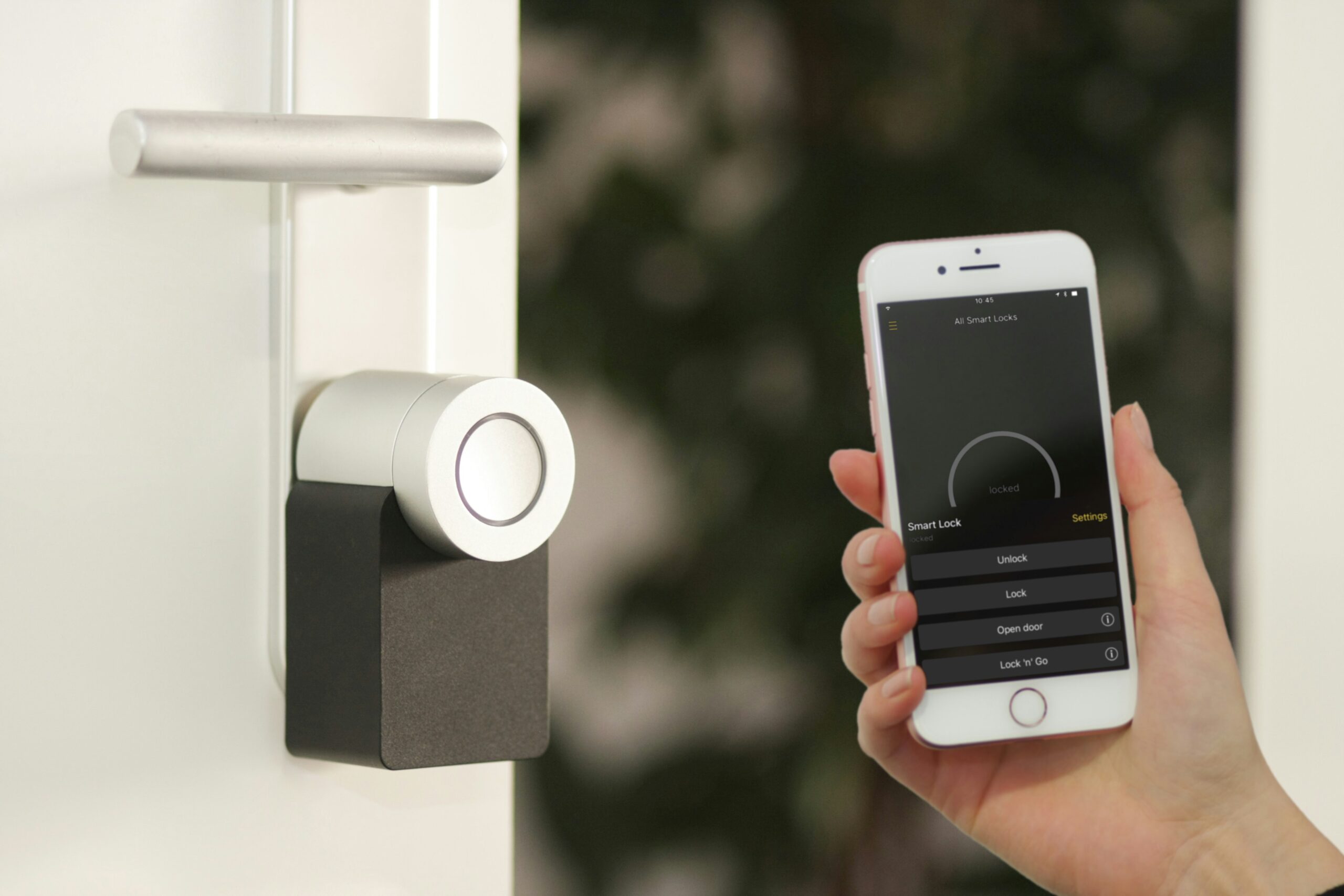
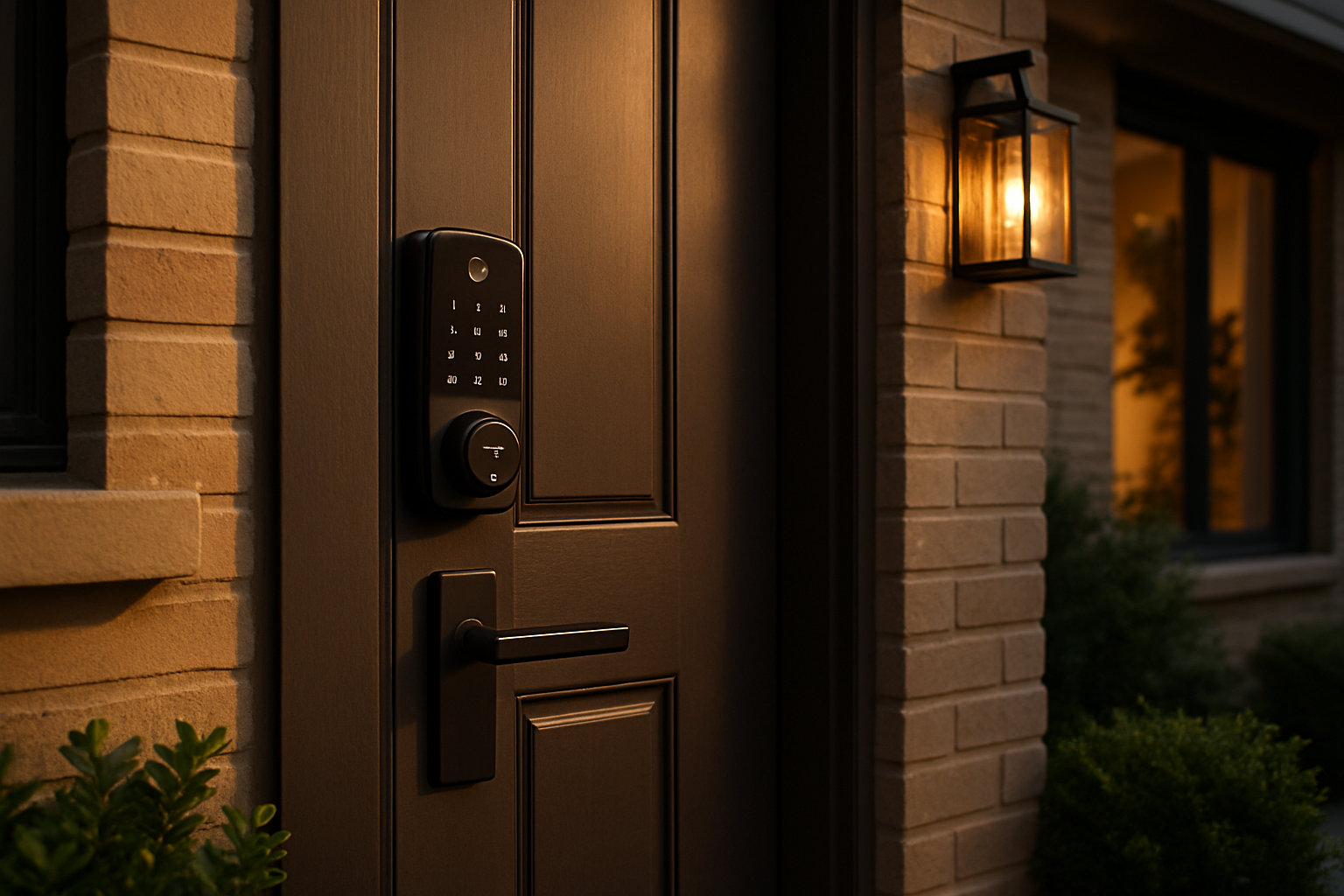
Smart locks allow you to lock or unlock your doors remotely. They often come with features like keyless entry and temporary access codes that you can provide to guests or service providers. This means you can manage your home’s security even when you’re not there.
Alarm Systems
Modern alarm systems are integrated with other smart devices, providing a comprehensive security solution. These systems can alert you and local authorities in case of a break-in. Many of them can also be tailored to detect smoke, fire, or even carbon monoxide, adding further to your home’s protection.
Enhancing the Perimeter Security
Securing the inside of your home is essential, but don’t forget about the outside. Good perimeter security helps deter burglars before they even reach your door.
Fencing and Gates
High-quality fences and gates are effective deterrents. Ensure they are tall enough and in good condition, with no gaps that could be easily breached. Consider materials that are hard to climb or cut.
Outdoor Lighting
Proper lighting is a powerful deterrent against crime. Install motion-detecting lights around your home, particularly in darker areas and near entry points. Illuminate pathways and gardens to ensure that there are no hiding spots for intruders.
Building a Strong Neighborhood Network
An often underestimated aspect of home security is your relationship with your neighbors. A strong network increases collective vigilance and fosters community safety.
Neighborhood Watch Programs
Consider joining or starting a neighborhood watch program. These programs encourage community members to keep an eye on each other’s properties. Being part of a network gives you additional sets of eyes on your home when you’re not around.
Communication is Key
Stay connected with your neighbors. Share information about any suspicious activity and encourage them to do the same. Apps and social media groups can facilitate communication, making it easier for everyone to stay informed and vigilant.
Cybersecurity for Your Home
In this digital age, securing your physical space also means safeguarding your digital environment. Your internet-connected devices need protection against potential cyber threats.
Securing Your Wi-Fi Network
Your home’s Wi-Fi network is an entry point into your digital life. Use strong passwords and change them regularly. Ensure your network is encrypted and consider hiding the SSID so that it’s not visible to others.
Protecting Smart Devices
With smart devices integral to modern security systems, ensuring their safety is important. Keep your software updated, use strong password protection, and be cautious about the apps and services you connect to these devices.
Best Practices for Everyday Security
Security doesn’t come from devices alone. Adopting certain habits can enhance your safety and complement the systems you have in place.
Consistent Locking Habits
Get into the habit of locking doors and windows even when you’re at home. Never leave a spare key outside, as this can be an invitation to burglars. Instead, leave a spare with a trusted neighbor or friend, or invest in a smart lock.
Discretion in Public Sharing
Be mindful of what you share on social media. Posting vacation pictures in real-time can alert would-be intruders that your home is vacant. It’s often better to share these moments after you’ve returned.
Regular Maintenance and Upgrades
Just like any aspect of your home, your security system requires regular attention. Conduct routine checks, replace outdated equipment, and keep up with technological upgrades to ensure maximum effectiveness.
Dealing with Security Breaches
Despite all efforts, security breaches can occur. Being prepared for this possibility is part of a comprehensive home security strategy.
Response Plans
Create a response plan for emergencies. This should include evacuation routes, emergency contact numbers, and a designated meeting point for family members. Practice these plans regularly to ensure everyone knows what to do.
Insurance and Documentation
Make sure you have adequate home insurance that covers theft and damage. Keep an inventory of your valuable items with photographs and serial numbers. This documentation can be crucial for insurance claims and police reports if a break-in occurs.
Conclusion
Securing your home is an ongoing process that requires attention to detail and adaptation to new challenges. By focusing on strong entry points, utilizing smart technologies, building a community network, and maintaining cybersecurity, you can create a well-rounded security setup. Remember that true security comes from combining the best practices with effective tools, creating a safe and peaceful home environment for you and your loved ones.