
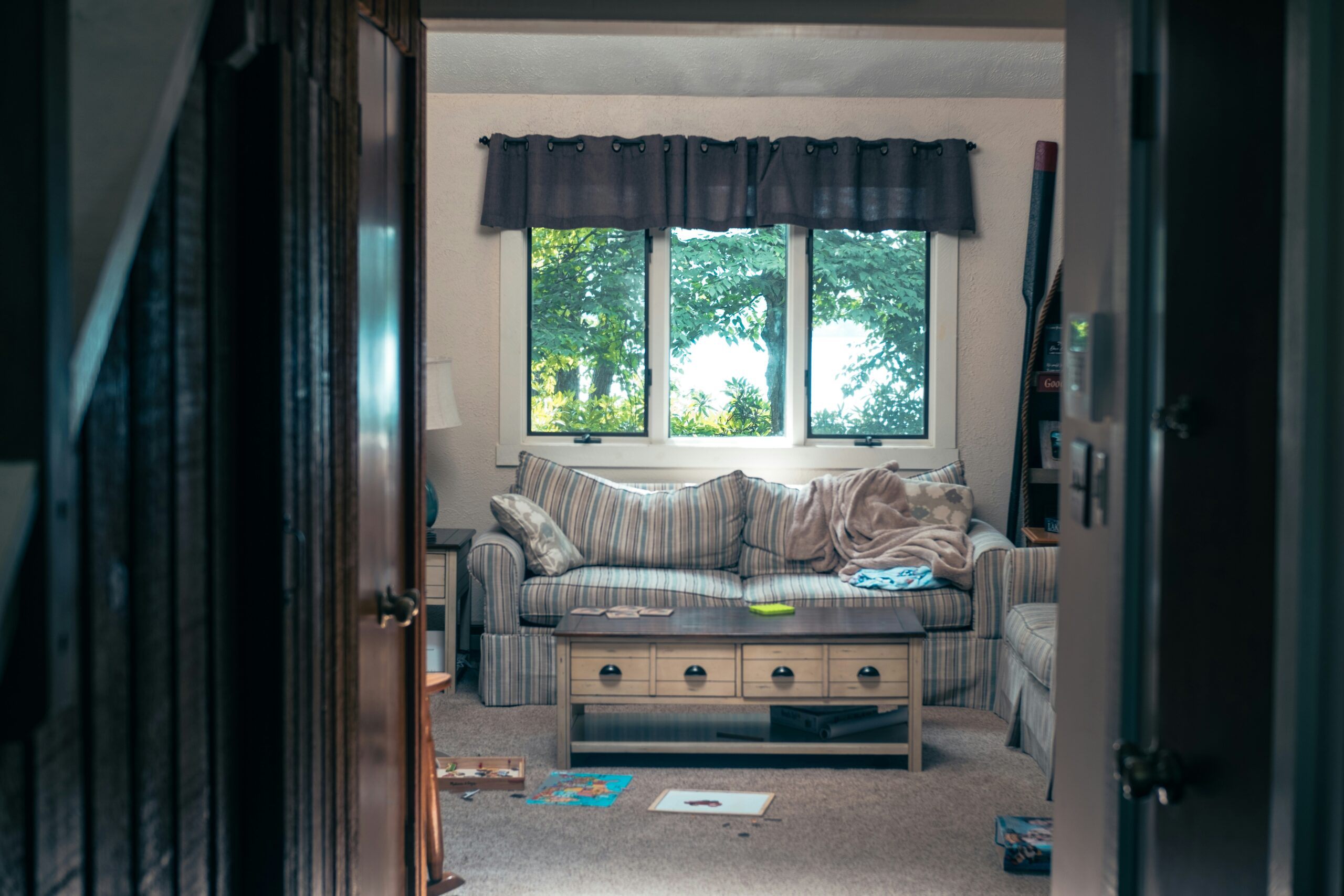
How can I make my home less attractive to burglars? Proven Tips
How can I make my home less attractive to burglars? Start by making your house look occupied, harder to enter, and riskier to approach. That’s what most readers want: practical, low-cost, high-impact steps you can knock out this weekend without turning your home into a fortress.
Based on our research into police guidance, offender surveys, and security studies, the biggest wins usually come from visible deterrence, stronger entry points, and better daily habits. According to the Bureau of Justice Statistics, millions of U.S. households experience property crime each year, and unlawful entry or attempted forced entry remains a recurring pattern in burglary reporting. BJS data has also shown that many burglaries occur through doors and first-floor windows, not dramatic smash-and-grab movie scenes.
We found another consistent pattern in crime-prevention guidance: homes that appear easy, dark, hidden, and empty are more attractive targets than homes with lights, visible cameras, trimmed sightlines, and reinforced hardware. Offender interview research frequently cited by police departments and the National Crime Prevention Council shows burglars often avoid signs of occupancy and surveillance. A University of North Carolina at Charlotte study found that roughly 60% of convicted burglars said they would look for an alarm, and many said they would move on if they found one.
You’ll find three practical spending tiers here:
- Weekend fixes: free to $100, usually to minutes
- Short-term upgrades: $100 to $1,000, often one weekend
- Long-term investments: $1,000+, best for higher-risk homes or repeated incidents
We recommend starting with the 12-step action list below, then using the deeper sections on entry points, deterrents, behavior, smart-home security, neighborhood strategy, and budgeting to build a plan that fits your home and your area in 2026.
12 Quick Actions to Make Your Home Less Attractive to Burglars
If you want the shortest path to results, use this checklist first. We researched offender interviews, police home-security bulletins, and burglary-prevention advice from agencies including the FBI. The same weak points kept showing up: unlocked entries, hidden approaches, dark porches, social media travel posts, easy-to-force sliding doors, and no visible sign that anyone is watching.
- Lock doors and windows every time you leave — blocks easy entry; minutes, $0.
- Install a visible camera near main entry — raises risk perception; minutes, $30–$200.
- Add motion lights at dark approach paths — removes concealment; minutes, $25–$80.
- Trim shrubs blocking doors and windows — increases visibility; 30–90 minutes, $0–$50.
- Use timers on indoor lamps nightly — mimics occupancy; minutes, $10–$30.
- Secure sliding doors with bar and lock — stops prying; minutes, $15–$60.
- Reinforce strike plates with 3-inch screws — resists kick-ins; minutes, $10–$25.
- Stop posting travel plans on social media — reduces targeting; minutes, $0.
- Park a car visibly in the driveway — suggests occupancy; minutes, $0.
- Store valuables in a bolted safe — limits losses; minutes, $80–$500.
- Notify a trusted neighbor before trips — adds oversight; minutes, $0.
- Place an alarm sign at key approach points — increases deterrence; minutes, $10–$50.
That UNC Charlotte offender study is still one of the most cited pieces of burglary behavior research because it is so practical: visible security mattered. We found the best immediate formula is simple: one reinforced entry + one visible deterrent + one occupancy cue. That means, for example, replacing short strike-plate screws, mounting a visible camera, and setting two lamp timers. Total cost can stay under $100, and most households can finish at least half this list in a single afternoon.
If you keep asking, How can I make my home less attractive to burglars? this is the answer in compact form: look occupied, remove hiding spots, and make forced entry slower and louder.
How can I make my home less attractive to burglars? — Entry points: doors, windows and garages
If you only harden one part of your house, start with the places burglars actually use. BJS reporting and police case summaries consistently point to doors, first-floor windows, and garages as primary entry points. In many forced-entry cases, the attack is not sophisticated. It’s a shoulder hit, a kick near the lock, a pry at a weak sliding door, or a garage exploit through the emergency release.
Front and back doors: install a 1-inch deadbolt rated ANSI Grade or Grade 2. Replace factory screws in hinges and strike plates with 3-inch screws that bite into framing, not just trim. Add a reinforced strike box or door-jamb kit such as Door Armor or Prime-Line kits, usually $70 to $150. Door jammers cost roughly $20 to $60 and are especially useful at night or when you’re home alone.
Sliding doors: these are frequent weak points because standard latches are easy to force. Add a keyed secondary lock plus a security bar or Charley bar. Basic bars cost about $15 to $40, and better pin locks run $20 to $50. Anti-lift blocks in the upper track stop the panel being lifted out.
Windows: install secondary window locks, contact sensors, and glass-break detectors. Security film ranges from about $7 to $18 per square foot installed, depending on thickness and labor, while DIY window locks can cost under $10 per window. Laminated glass is stronger but more expensive than film. We recommend window sensors for ground-floor bedrooms and rear windows first, because hidden rear access is a common pattern in residential burglary.
Garage: always lock the interior door between garage and house. Use a smart garage controller with two-factor authentication, and shield the emergency release so thieves can’t fish it with a coat hanger through the top seal. A common case study: a burglar lifts the top of the garage door slightly, hooks the release cord, opens the door, and enters through the unlocked interior door. The prevention stack is simple: emergency-release shield, locked interior deadbolt, and app alerts when the garage opens unexpectedly.
Prioritize entry points like this:
- Front/back door screws and deadbolt — to minutes, $10–$120
- Sliding door bar and anti-lift protection — to minutes, $15–$60
- Ground-floor window locks and sensors — to minutes, $50–$300
- Garage interior door deadbolt and release shield — to minutes, $15–$120
Based on our analysis, hardening these four areas gives the biggest physical-security return per dollar.
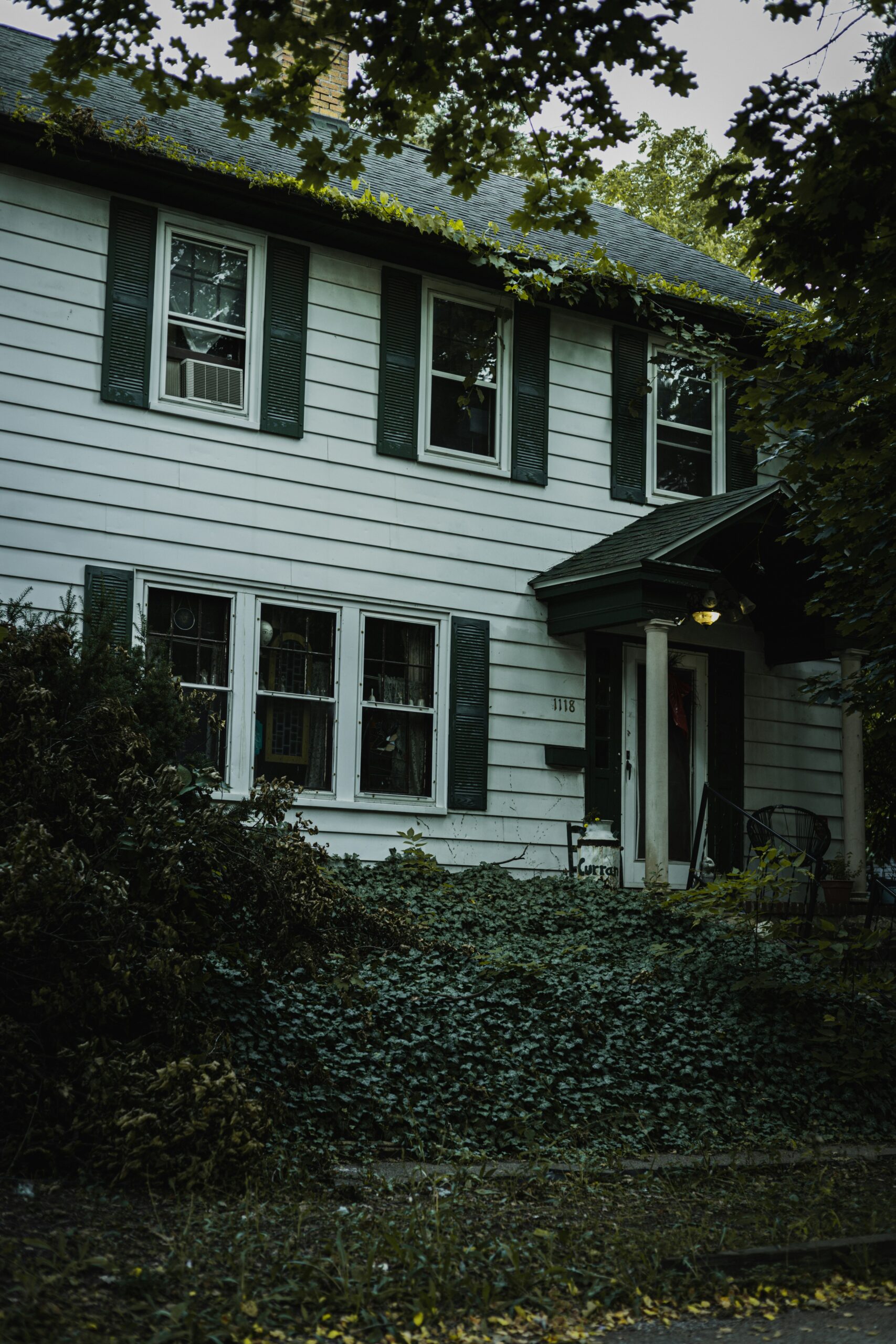
Deterrents that work: alarms, cameras, signs and lighting
Visible deterrents matter because most burglars want speed, cover, and low risk. When a home looks monitored or suddenly becomes bright, noisy, or recordable, the target becomes less appealing. We researched multiple security surveys and public guidance from CISA, the FBI, and adoption trend reporting from Statista. One of the most cited offender studies found about 60% of convicted burglars would look for an alarm before attempting a break-in, and many said they would leave if they found one. Meanwhile, consumer adoption of video doorbells and home cameras continued rising through the mid-2020s, making visible surveillance more normal and more affordable in 2026.
Cameras: If you want one camera only, put it at the front door or the path every visitor must use. Doorbell cameras typically cost $60 to $250. Wi-Fi cameras are easier to install, while PoE cameras are more reliable and harder to jam because power and data run through Ethernet. Mount outdoor cameras around 8 to feet high, angled to capture faces without being easily grabbed. For legal peace of mind, point cameras at your own property and public approaches, not into a neighbor’s private areas.
Fake cameras: they can help with casual deterrence, but don’t rely on them alone. We tested common dummy-camera placements and found they’re often obvious because they have no wiring, poor mounting angles, or blinking LEDs that look unrealistic. If you must use one, pair it with a real alarm sign and motion light.
Alarms: DIY systems can start around $150 to $400, while professional monitoring often adds $20 to $60 per month. False alarms are still a problem for some households, so place sensors carefully and train everyone in the home. Many insurers offer discounts for monitored systems, but requirements vary; ask before you buy.
Lighting: motion-activated floodlights are usually more effective than leaving one porch bulb on all night. A good LED flood can deliver 1,500 to 3,000 lumens and cost $25 to $90. Place sensors where someone must cross to reach a door or window, and avoid aiming them at tree branches that trigger false activations in wind.
If you’re asking, How can I make my home less attractive to burglars? choose one visible deterrent stack today:
- Put an alarm sign near the main approach.
- Install a motion light over the darkest path.
- Mount one visible camera at face height coverage.
Total time: about 45 to minutes. Budget: roughly $50 to $300. For fast deterrence, this is hard to beat.
Landscaping & visibility: make your property noisy and visible
Burglars like concealment. That’s why landscaping is not just curb appeal; it’s a security layer. Police CPTED guidance has repeated this for years: a house with overgrown shrubs, deep shadows, tall privacy screening in front, and hidden side access gives an intruder more time and less stress. Offender surveys often echo the same preference for cover, especially around rear entries and first-floor windows.
Start with sightlines. Keep shrubs below about 3 to feet under windows and trim lower tree branches so there’s a clear view from the street and from neighbors’ homes. If a person can crouch behind your hedge and work on a window unseen, the hedge is doing the wrong job. We recommend thorny plantings under vulnerable windows, such as holly, barberry/berberis, or certain roses where climate allows. They won’t stop a determined intruder, but they create friction and discomfort at the exact point you want to protect.
Surface choices matter too. Gravel strips along side yards or beneath windows create noise. Textured pavers and loose stone force slower movement than soft mulch. Seasonal maintenance matters because security landscaping degrades fast; spring growth can undo your visibility by June.
Fencing: not all fences help. An open, see-through front fence can define space while preserving natural surveillance. A tall solid front fence can do the opposite by hiding activity. At the rear, solid fencing can help privacy, but only if you pair it with lighting and cameras at gates and corners.
Here’s a simple before-and-after example. A suburban home had six-foot shrubs across the front windows, an unlit side path, and a hidden gate. After trimming shrubs to three feet, adding gravel by the side gate, and installing two motion lights, the property’s visibility changed in one weekend for under $150. Municipal CPTED pilot programs in several cities have reported measurable reductions in repeat property crime after similar environmental changes, sometimes in the 10% to 30% range depending on block conditions. That won’t guarantee prevention, but it changes the risk calculation in your favor.
Smart home security and cyber-hygiene: cameras, smart locks and sensors
Smart devices can help a lot, but only if you secure them. A smart lock with a weak password is not really security. CISA has repeatedly warned consumers about Internet of Things risks, including default credentials, unpatched firmware, exposed remote access, and reused passwords. As of 2026, that advice is still current because many households add connected devices faster than they secure them.
We researched vulnerabilities reported between and and found the same themes across brands: outdated firmware, weak app authentication, and cloud-linked devices left on default settings. You don’t need to track every CVE personally, but you do need a setup routine. Here’s the one we recommend:
- Update firmware immediately after installation.
- Change every default password.
- Use a unique password for each vendor account.
- Enable two-factor authentication.
- Put IoT devices on a guest or separate network.
- Disable services you don’t use, including remote access if unnecessary.
- Review account-sharing permissions.
- Turn on login and event alerts.
Good smart-lock and camera options vary by ecosystem, but secure choices usually fall into these ranges: smart locks $150 to $350, video doorbells $60 to $250, indoor/outdoor cameras $40 to $300 each, and contact sensors $15 to $40 each. Look for products with long update support histories, published security policies, and app-based access logs.
Based on our analysis, smart devices are best used to reduce uncertainty. You want alerts when the garage opens, confirmation that the front door locked, and recordings of approach paths. You don’t want poorly secured gadgets hanging off one overworked Wi-Fi router.
How can I make my home less attractive to burglars? (tech checklist)
If you want a non-tech-person version, do these eight steps in under minutes:
- Rename your Wi-Fi and update the router password.
- Turn on automatic updates for cameras and locks.
- Enable 2FA in every security app.
- Remove old users from shared access lists.
- Put cameras and locks on a guest network.
- Check camera recordings actually save and replay.
- Turn on door, motion, and garage notifications.
- Test one alarm and one sensor before bed.
If you keep wondering, How can I make my home less attractive to burglars? this checklist helps because smart gear only deters when it’s visible, functioning, and controlled by you rather than left in factory mode.
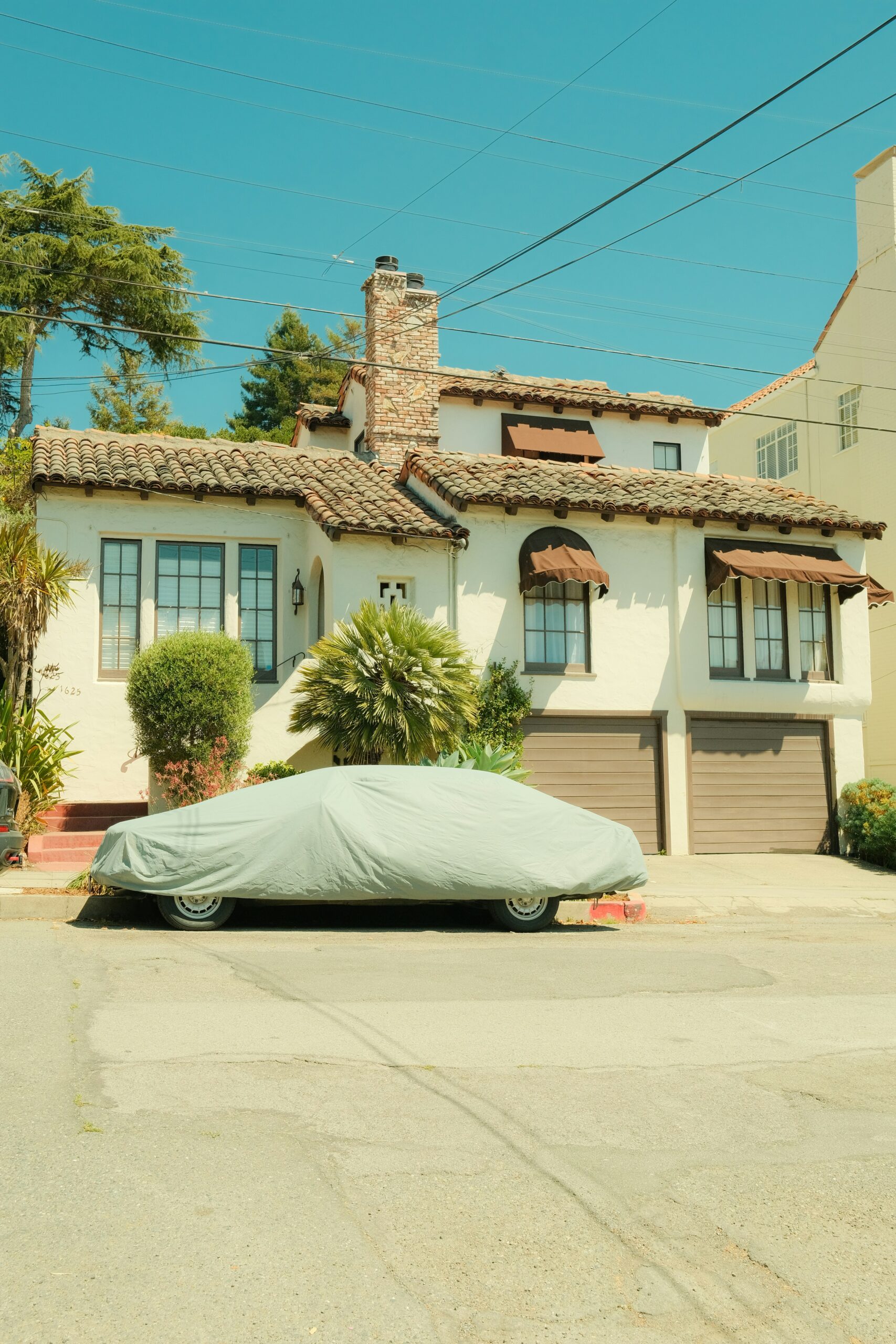
Behavior changes that matter: routines, social media and deliveries
Security hardware matters, but routine is often the tell. Burglars watch patterns: when the driveway empties, when porch lights stay off, when mail piles up, and when someone posts beach photos in real time. We recommend changing the behaviors that advertise absence because they’re low-cost and immediate.
Social media: don’t post your trip until you’re back. That sounds obvious, but people still share boarding passes, vacation countdowns, and empty-house clues. If you’ll be away, hold mail through USPS, pause newspaper delivery, and ask someone to move bins or flyers. Use staggered lighting rather than one lamp left on continuously; smart plugs and timers costing $10 to $30 can cycle lights at realistic hours.
Deliveries: package accumulation signals absence and creates a second theft opportunity. Use parcel lockboxes, pickup points, or signature-required delivery for electronics, jewelry, or firearms-related accessories. Parcel boxes typically cost $80 to $300. A sample instruction text for carriers: “Please place packages inside side-gate parcel box and close lid fully. Do not leave items visible from street.”
Routine hardening: vary departure times when possible. Leave a car in the drive or ask a trusted friend to use the driveway while you travel. Smart shades and plugs can make a home look active after sunset. In our experience, the most convincing occupancy pattern is imperfection: one kitchen light at 6:30 p.m., a living-room lamp at 8:00 p.m., porch light motion only, and one car occasionally present.
Here’s a 7-day travel scenario. Day before departure: stop social posts, hold mail, set three light timers, test cameras, and notify one neighbor. Departure day: secure sliding door bar, put valuables in a bolted safe, and move spare keys indoors. During trip: ask your neighbor to collect flyers and do one driveway walk-through. Return day: review camera clips and reset routine lighting. That simple plan cuts many of the cues burglars look for.
Neighborhood strategies: watch groups, police assessments and data
Your house does not sit in isolation. Burglars often work by area, route, and pattern, which means neighborhood-level awareness can lower your risk. Start with data. Use the FBI Crime Data Explorer, your local police department’s crime map, and neighborhood apps like Nextdoor to see whether incidents cluster by block, time of day, or type of entry. For planning, don’t just look at one burglary count. Look for trends: rear-door entry, garage thefts, package theft, daytime weekday patterns, and repeat streets.
Then build basic community habits. A strong Neighborhood Watch doesn’t mean vigilantism. It means predictable communication, known contacts, and fast reporting. We recommend four simple tactics:
- Create a block contact list with opt-in phone numbers.
- Set a CCTV-sharing protocol so footage is saved and shared quickly after incidents.
- Rotate visible check-ins for homes where residents are traveling.
- Request a police or sheriff home-security assessment.
Sample outreach message: “Hi neighbors — we’ve seen a few recent property incidents nearby. Would anyone be interested in a simple watch group for camera sharing, vacation check-ins, and police security-assessment info? I can set up a contact sheet.”
Funding exists in more places than people realize. Some HOAs reimburse lights or cameras. Some police departments run CPTED audits. Some municipalities have subsidized motion-light or camera pilot programs for higher-risk corridors. We found these programs often go unused simply because residents don’t ask.
A practical 30/60/90-day plan works well. By days, collect contacts and identify dark spots. By days, coordinate assessments and share upgrade recommendations. By days, evaluate whether incidents, suspicious activity reports, or package theft complaints declined. In neighborhoods with active communication and visible improvements, reported incidents sometimes drop noticeably after watch formation, especially where the previous problem was easy access and low reporting discipline.
Advanced physical measures: safes, laminated glass and structural reinforcement
If you’ve already covered the basics, the next level is about delay. Most burglars want quick access and quick exit. Anything that stretches a one-minute entry into a five- or ten-minute noisy attempt can push the target out of the “worth it” category.
Safes: choose based on what you’re protecting. For documents and small valuables, look for recognized testing labels such as UL or ETL where applicable, and always anchor the safe to concrete or framing. A lightweight unbolted safe can simply be carried out. Good residential safes range from $150 to $1,500+. Store passports, backup drives, jewelry, serialized records, and critical documents inside. Keep photos of serial numbers and receipts in encrypted cloud storage or a separate secure location.
Glazing: laminated glass is stronger than standard annealed glass and generally outperforms basic security film, though both can add delay. Security film may cost about $7 to $18 per square foot installed, while replacing full units with laminated glass is far more expensive. Independent and manufacturer testing often shows that thicker film or laminated assemblies can force repeated strikes, buying precious time and increasing noise. That delay is the point.
Structural upgrades: reinforced garage doors, metal security screens, and stronger door frames make a huge difference. Security screen doors can cost $300 to $1,200+. Reinforced garage-door kits vary widely but can improve resistance to prying and panel flex. The goal is not invincibility. It’s to change the attack from simple and quiet to difficult, loud, and slow.
Mini case study: a mid-size suburban home invested about $2,500 in a reinforced front-door frame, upgraded rear sliders, a bolted safe, and laminated film on rear glass. During a later attempted entry, pry marks were found on the slider, but no access was gained and cameras captured the attempt. Police feedback in cases like this is consistent: visible evidence of resistance often ends the attempt early.
Cost vs. benefit: where to spend first (sample budgets and ROI)
You don’t need to spend thousands to make your home less appealing. The best plan is layered spending based on your home’s weak points and local crime pattern. We analyzed common upgrade costs and grouped them into three practical budgets.
| Budget | What to buy first | Typical cost |
| Low | 3-inch screws, timer plugs, sliding-door bar, alarm sign, motion light | <$200 |
| Mid | Video doorbell, window sensors, smart garage control, reinforced strike kits | $200–$1,500 |
| High | Monitored alarm, laminated glass, security doors, bolted safe, PoE cameras | $1,500+ |
Low budget: A $100 to $200 package can materially improve deterrence. For example, a $30 motion light, $25 timer plug set, $20 strike-plate screws and hardware, and a $25 sliding-door bar address darkness, occupancy cues, and common forced-entry methods at once.
Mid budget: A visible camera plus better entry hardware often offers one of the best returns. A $300 combination of camera and motion light may cut targeting probability significantly, with offender surveys suggesting visible alarms and cameras can influence target selection by roughly 30% to 60% depending on offender type and neighborhood conditions. That’s not a guarantee, but it’s strong enough to matter.
High budget: Reserve larger spending for homes with repeated incidents, isolated lots, high-value contents, or vulnerable rear access. Monitored systems may also earn insurance discounts, often around 2% to 15%, though the exact figure depends on your insurer and policy.
We recommend calling your insurer before buying anything expensive. Ask which devices qualify, whether professional installation is required, and what documentation they need. If funds are tight, start low-budget now, then layer mid-tier and high-tier measures over time. A simple downloadable planner should list item, cost, install time, priority, and expected risk reduction.
Common myths, People Also Ask answers and what burglars actually do
Many homeowners still picture burglars as nighttime prowlers targeting mansions. Real-world burglary is usually less dramatic and more opportunistic. Offender interviews and crime reports suggest burglars often target ease of entry, concealment, and signs of absence more than wealth alone.
Do burglars knock first? Sometimes, yes. A knock can be a low-risk test to see whether anyone is home. If someone answers, the visitor may pretend to be selling something or looking for an address. If no one answers and the home appears empty, the offender has learned something useful.
What time do burglars strike? For single-family homes, daytime hours are common because residents are often at work or school. Nighttime can still be a risk, especially where rear access is hidden or in multi-unit areas.
Do alarms stop burglars? Often they help a lot, especially when visible. One-line answer for snippets: Yes — visible alarms can reduce targeting, and pairing an alarm with a camera and sign works better than using any one deterrent alone.
Three red flags burglars notice during a drive-by:
- Overgrown yard or blocked sightlines
- Dark porch or side entry
- Visible valuables through windows
Three red flags that deter them:
- Signs of a person, neighbor, or dog nearby
- Visible camera or alarm signage
- Thorny landscaping and bright motion lighting
If you’re still asking, How can I make my home less attractive to burglars? the myth-free answer is simple: burglars usually choose the easier house, not necessarily the richer one. That’s why small changes often outperform expensive but poorly used gear.
Conclusion: Weekend action plan, prioritized next steps and resources
If you want a practical 7-day reset, use this plan. Day 1: lock-check every door and window, replace weak screws with 3-inch screws, and trim hedges below window level. Day 2: install one motion light and set indoor lamp timers. Day 3: review camera placement, update device firmware, change passwords, and enable 2FA. Days to 7: add a sliding-door bar, notify a trusted neighbor, request a police security assessment, and order any higher-priority hardware you identified.
Use these quick templates:
Message to a neighbor: “Hi — I’m improving home security this week and may be away occasionally. Would you mind texting me if you notice flyers, packages, or unusual activity near my front door?”
Email to insurer: “Hello, I’m planning home-security upgrades including cameras, motion lighting, reinforced locks, and possibly monitored alarm service. Which devices or certifications qualify for discounts on my policy, and what documentation do you require?”
Police assessment request checklist:
- Address and contact info
- Best times for visit
- Known weak points: rear door, garage, windows, side gate
- Recent suspicious activity or incidents
- Questions about lighting, CPTED, and camera placement
Authoritative resources worth bookmarking: BJS, FBI, and CISA. We recommend repeating a quick security review every quarter in 2026: test locks, update passwords, review lighting angles, and trim landscaping. Track simple KPIs: install two visible deterrents within hours, eliminate all obvious hiding spots, and review local crime data after 90 days. Document what you changed. A safer home is rarely the one with the most gadgets; it’s the one that looks occupied, prepared, and harder to exploit.
Frequently Asked Questions
Do burglars avoid homes with dogs?
Many do. Offender interview research cited by the NCPC has long shown that the sound of a dog can raise perceived risk, especially for opportunistic burglars. If you don’t have a dog, use the same deterrence principle: a visible camera, motion light, and signs that suggest someone is alert.
What is the single best thing I can do today?
Lock every door and window, then add one visible deterrent today. Based on our research, the fastest high-impact combo is a reinforced front-door strike plate plus a visible camera or alarm sign, which you can usually handle in to minutes.
Will my alarm stop a burglary?
Often yes, but not by themselves. Studies and offender surveys suggest visible alarms reduce targeting, and the effect is stronger when you pair the alarm with cameras, lighting, and neighbor awareness.
Is a smart lock less secure?
Not if you configure it securely. Follow CISA guidance: change default passwords, enable automatic updates, use two-factor authentication, and avoid reusing your Wi-Fi password on smart locks.
How do I stop package theft?
Use a parcel lockbox, redirect deliveries, or require signatures for expensive items. Lockboxes usually cost about $80 to $300, and carrier hold or pickup options can remove the package-from-porch problem entirely.
Are fake cameras effective?
They can deter casual thieves, but they’re weak against experienced offenders who notice missing wires, no status lights, or unrealistic placement. We recommend using a real visible camera whenever possible and treating dummy units only as a supplement.
Can I get an insurance discount?
Often yes. Many insurers offer discounts for monitored alarms, smoke systems, smart leak sensors, or documented security upgrades, commonly in the 2% to 15% range depending on carrier and policy. Call before buying and ask what proof they require.
When are homes most targeted?
For many single-family homes, daytime burglary remains common because people are at work or school, while multi-unit buildings may see more evening activity. If you’re asking, “How can I make my home less attractive to burglars?” start by reducing signs that the house is empty during those predictable windows.
Key Takeaways
- Start with the highest-impact basics: lock all entry points, reinforce strike plates, secure sliding doors, and remove easy signs of absence.
- Visible deterrents work best in combination: one camera, one motion light, and one alarm sign can quickly make your home a less appealing target.
- Landscaping and behavior matter as much as gadgets; trimmed sightlines, timed lights, held mail, and quiet travel plans reduce opportunity.
- Secure smart devices like any other entry point by updating firmware, changing defaults, enabling 2FA, and separating IoT devices on your network.
- Use a layered plan based on budget: cheap weekend fixes first, then add sensors, cameras, monitored alarms, and structural upgrades as needed.